
Brownfield Redevelopment
Property where redevelopment is hindered by real or perceived environmental contamination, blight, or functional obsolescence can be brownfields. Many brownfield sites sit unused for decades because the cost of cleanup for these sites can be high and uncertain. Property that is used for certain housing development activities, located in a core community or is owned by a land bank authority may also be considered a brownfield.
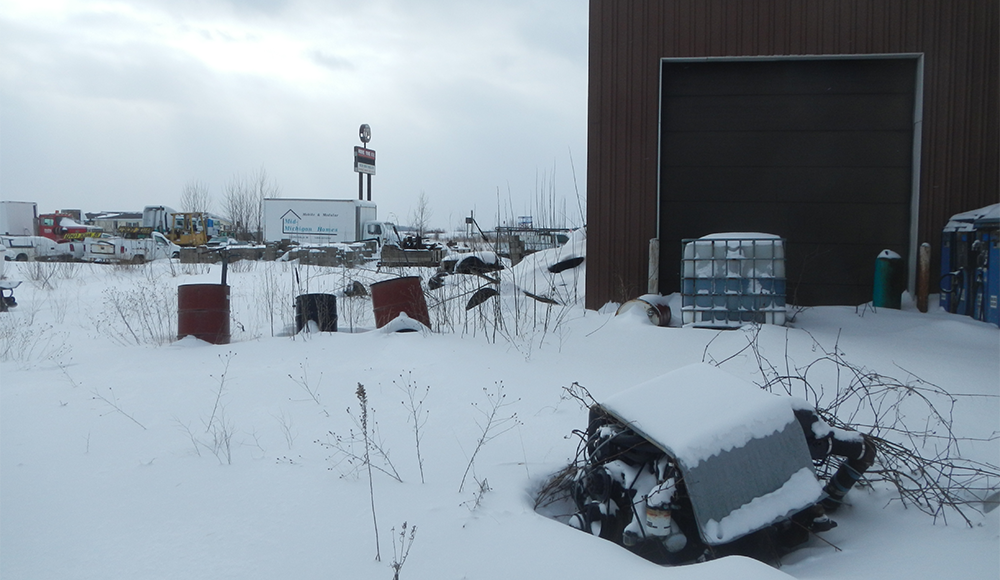
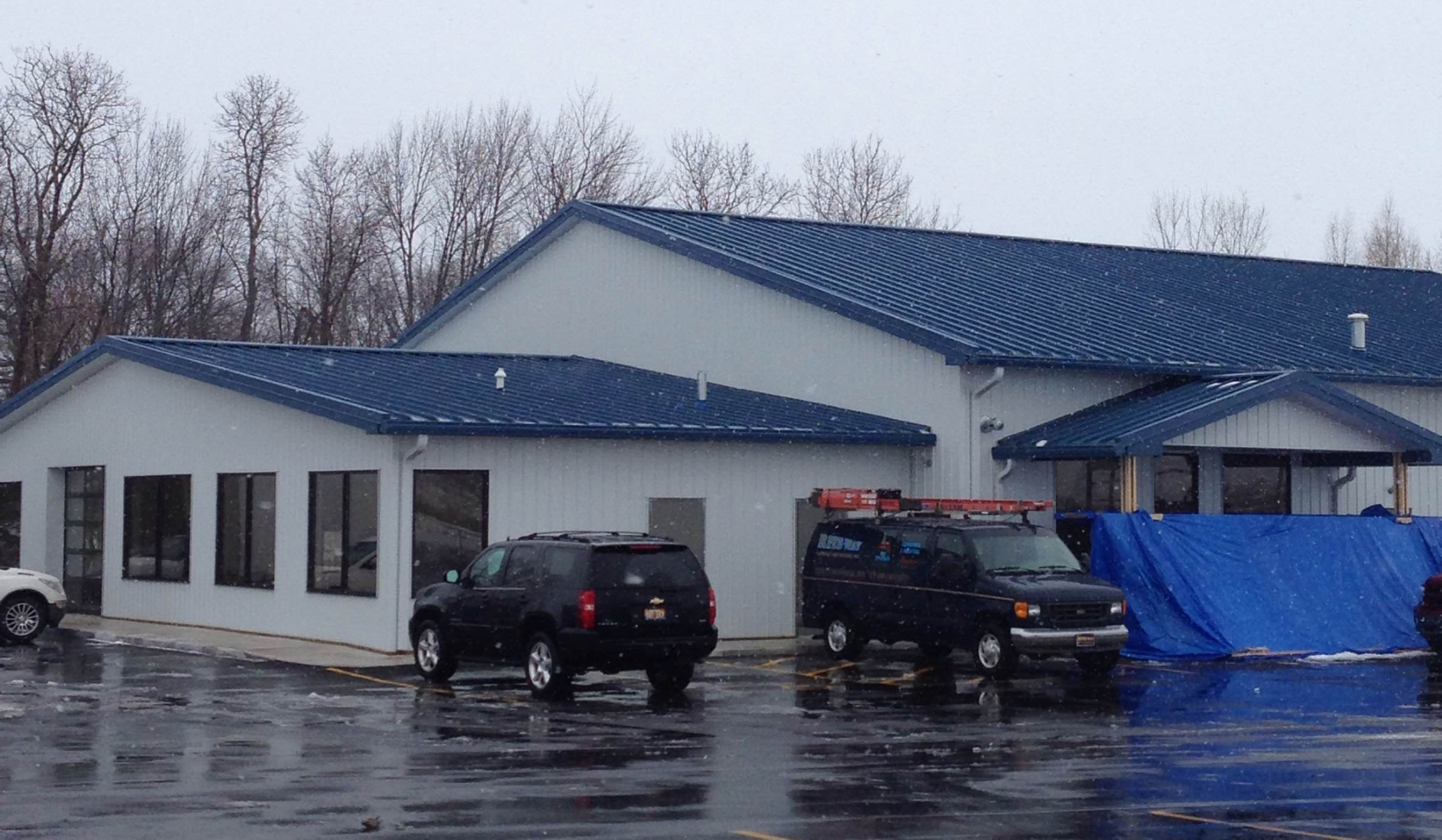
Gull Lake Marine Project
Wright Township
After Redevelopment – This 16-acre redevelopment
project created 15 new jobs, utilized tax increment financing and EPA Assessment grant funding. The taxable value of this property more than doubled in the first year.
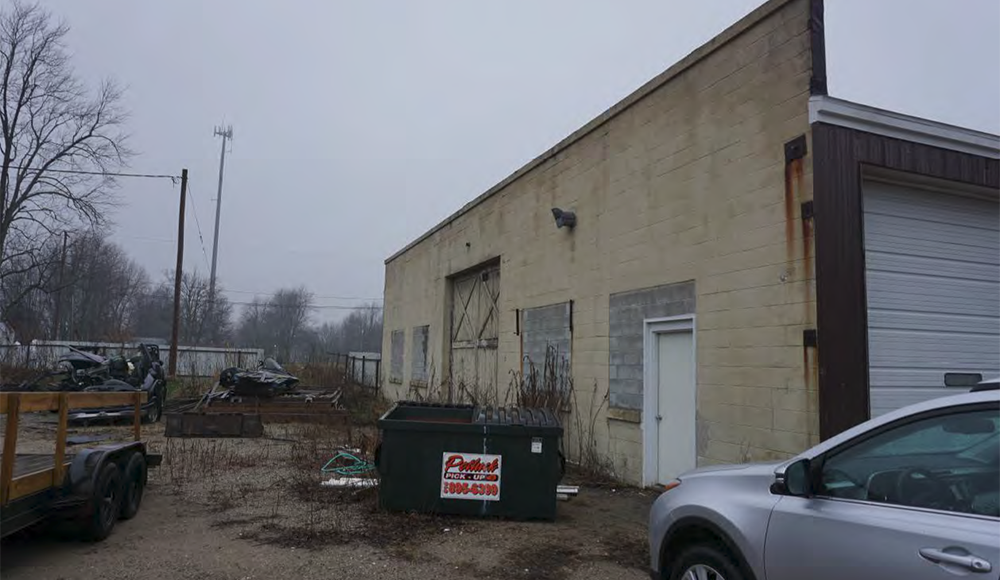
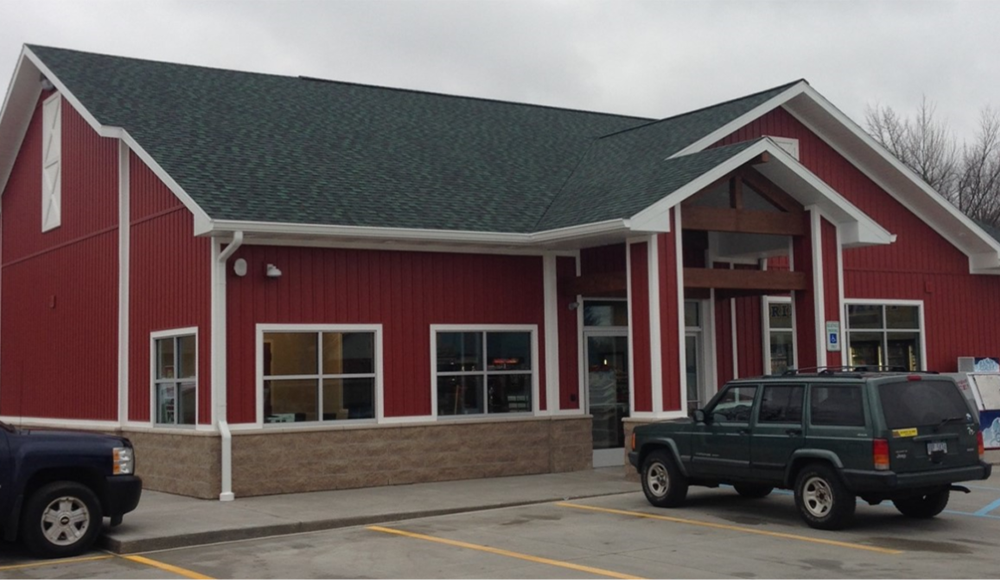
Anew Fuel Station
Borculo
This project used EPA Assessment grant funding and TIF to help offset the costs of assessment activities. The project created 12 new jobs and an initial $188,755 increase in taxable value. The station is the first alternative fuel station in the State.
Brownfield Redevelopment Resources
United States Environmental Protection Agency Grant Funding
In 2025, Ottawa County was awarded $500,000 in Brownfield Assessment grant funding from the United States Environmental Protection Agency (USEPA). These funds can be used to offset the costs of Phase I, Phase II, and Baseline Environmental Assessments as well as Documentation of Due Care and Compliance Reports, Brownfield Plan preparation, and in some cases hazardous materials surveys and other clean up planning. Ottawa County is excited to use this to help derisk brownfield properties, leverage capital investment into our community, and help return contaminated properties to safe and productive for our community!
Learn More About the Process: View our one-page guide
Nominate a Property: Ready to nominate a property? Complete the Property Nomination Form
The USEPA offers numerous grant opportunities to support local brownfield redevelopment authorities. While these grant opportunities are very competitive, the Ottawa County Brownfield Redevelopment Authority (OCBRA) has had the good fortune to have secured two previous grant awards, totaling $700,000 that were used to assess contamination on brownfield sites and prepare cleanup plans for responsible reuse and redevelopment. See the outcomes of these grants and the projects the funded supported:
Michigan Department of Environment, Great Lakes, and Energy Grants and Loans
Grant and loan programs for brownfield redevelopment projects using state tax dollars are provided by Michigan Department of Environment, Great Lakes, and Energy (MDEGLE). The OCBRA has helped developers access both grants and loans from MDEGLE to help finance their brownfield projects. Complete this form to apply to have your project considered for an EGLE grant or loan.
Tax Increment Financing – Brownfield Redevelopment Act
Tax increment financing, or TIF, is a common economic development tool that is enabled by a number of statutes under Michigan Law. Brownfield TIF is guided by Act 381. TIF allows for the capture of tax revenue generated by the increase in taxable value of a brownfield property that has been redeveloped. That revenue is then used to reimburse the property developer for the costs of certain eligible brownfield redevelopment activities. In order to utilize TIF, a Brownfield Plan Amendment for the subject property must be approved by one or more of the following governmental units: the local municipality, the County, and/or the State. To apply to have your project considered for a Brownfield Plan Amendment, please click here. More information about using Tax Increment Financing in Michigan can be found here:
Local Brownfield Revolving Fund
The OCBRA has a long term goal of establishing a Local Brownfield Revolving Fund (LBRF). LBRFs can be created under Act 381 by using a portion of tax revenue generated by TIF, as set forth in an approved Brownfield Plan Amendment. Currently the County has three TIF plans that are designated to deposit tax revenue into this fund. Once adequate funds are accumulated, those funds can then be used to provide small, low-interest loans to developers in order to assist with the assessment of brownfield properties and other eligible activities. This LBRF will give the County a much greater ability to attract developers to consider brownfield properties as potential project sites that might otherwise be passed over.
Brownfield Incentive Program
Grant funding from the EPA can be difficult to secure year to year, and the LBRF will not have funds available for a number of years still. So in 2018, the OCBRA identified some local funds that can be used to incentivize assessments on suspected or confirmed brownfield sites. The Brownfield Incentive Program, or BIP, can be used on eligible projects in Ottawa County. After interested parties apply for funding, each is scored by the OCBRA, which will determine the level of funding, if any, for each selected project. For additional information, email plan@miottawa.org.
Housing Development supported by the Brownfield Redevelopment Act
In 2023, the Michigan legislature approved changes to the Brownfield Redevelopment Act (Act 381) that allow tax increment financing (TIF) to be used to support eligible activities on housing property. The process is very similar to regular brownfield TIF plans. Click here to learn more about how Housing TIF works.
Ottawa County Brownfield Redevelopment Authority
The first step to accessing brownfield redevelopment financing tools is to connect with the local Brownfield Redevelopment Authority that serves your community. In Ottawa County, some local municipalities have their own BRA interested parties will work with. If not, the Ottawa County BRA exists to serve any municipality that does not have an existing authority. The Ottawa County BRA also works to help leverage State and federal funds to support brownfield projects. More information about the Ottawa County BRA can be found at the links below: